
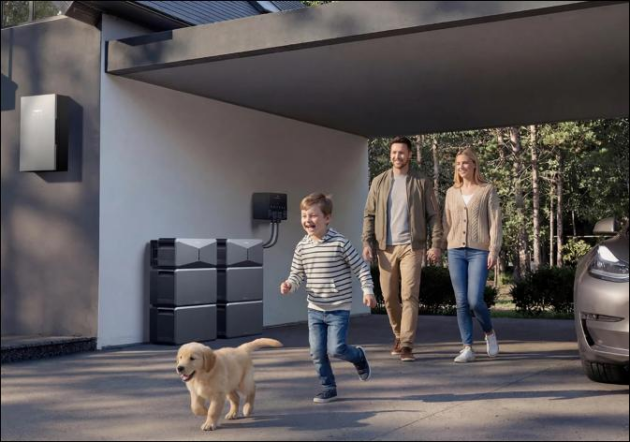
Reliable electricity is essential to modern home life, yet traditional backup generators come with hidden hassles—fuel logistics, noise, emissions, and ongoing maintenance. As technology evolves, many homeowners are reconsidering whether these trade-offs still make sense. Newer energy solutions now offer more than just emergency backup; they integrate into daily life as quiet, flexible power sources. This article explores the practical reasons behind this shift and why alternatives to basic generators are gaining traction.
1. Fuel Dependency Becomes a Problem
Gas Stations Close During Widespread Outages
Fuel availability is rarely questioned until a power disruption affects an entire region. During widespread outages, gas stations may be unable to operate pumps, process payments, or receive deliveries. Even when stations remain open, long lines and limited supplies can create significant delays. Households depending on fuel-powered generators may suddenly find themselves competing for scarce resources. This dependency introduces uncertainty precisely when reliability is most needed. Backup power solutions that do not rely on immediate fuel access offer a more predictable experience during extended disruptions.
Storing Fuel Safely Is a Hassle and Risk
Keeping fuel on hand may appear straightforward, but safe storage introduces persistent challenges. Gasoline requires approved containers, adequate ventilation, and protection from temperature extremes. Over time, fuel degrades, requiring rotation and proper disposal to maintain effectiveness. Storage also raises safety considerations, particularly in homes with limited space or shared living areas. Transporting fuel during severe weather or emergencies adds further inconvenience. These practical burdens often accumulate quietly, making fuel-based backup systems more demanding than initially expected.
2. Noise Disturbs Peace and Neighbors
Noise is one of the most noticeable characteristics of conventional generators, yet its impact is often underestimated. Combustion engines generate continuous mechanical sound that can disrupt sleep, conversations, and daily activities. During nighttime outages, generator noise may become particularly intrusive, affecting rest and comfort. In closely spaced neighborhoods, this disturbance can extend beyond the household, influencing nearby residents. Extended outages amplify the issue, turning background noise into a persistent stressor. Quieter energy alternatives significantly improve the overall experience of backup power usage.
3. Fumes Limit Where You Can Use Them
Never Safe Indoors or Near Windows
Fuel-powered generators produce exhaust gases that require careful placement and ventilation. Operating such equipment indoors, in garages, or near open windows poses serious safety hazards. Even partially enclosed areas can allow fumes to accumulate unexpectedly. These restrictions limit flexibility and complicate deployment during severe weather conditions. Safe operation often requires outdoor positioning, weather protection, and additional planning. Energy systems that avoid combustion eliminate many of these constraints and simplify usage scenarios.
Carbon Monoxide Risk Is Real
Carbon monoxide exposure remains one of the most critical concerns associated with fuel-burning devices. This gas is colorless and odorless, making it difficult to detect without dedicated sensors. Improper generator placement or ventilation failures can lead to dangerous accumulation. The risk increases during prolonged operation, particularly in adverse weather. Awareness and caution are essential, yet human error remains possible under stressful conditions. Non-combustion backup solutions remove this category of risk entirely, enhancing household safety.
4. Maintenance Never Ends
Mechanical generators require ongoing maintenance to ensure reliable performance. Tasks such as oil changes, filter replacements, and component inspections must be performed regularly. Neglected upkeep can lead to reduced efficiency or unexpected failures during critical moments. Seasonal preparation, including testing and storage considerations, introduces additional responsibilities. Over time, maintenance costs and time commitments become significant factors. Systems with fewer moving parts typically reduce these burdens and provide a more convenient long-term ownership experience.
5. New Options Do More
Solar Batteries Power Daily Life, Not Just Outages
Modern battery backup technologies have expanded the role of home energy systems beyond emergency scenarios. Stored electricity can be used to support everyday household activities, not solely during grid failures. This flexibility enables greater energy independence and more efficient resource utilization. Homes equipped with battery backup systems often experience smoother transitions during interruptions. Beyond resilience, such systems can help manage peak usage and improve energy predictability. The result is a solution that contributes value continuously rather than only during rare events.
Smart Systems Manage Usage Automatically
Advancements in home energy management have introduced intelligent control capabilities previously unavailable to homeowners. Smart systems can monitor conditions, prioritize circuits, and adjust charging behavior without manual intervention. Automation reduces the need for constant oversight while improving operational efficiency. During outages, essential appliances can receive power according to predefined priorities. This coordination enhances both reliability and convenience, particularly in households with multiple critical devices. Intelligent energy management transforms backup power from reactive equipment into a proactive household system.
6. Whole-Home Coverage Without the Noise
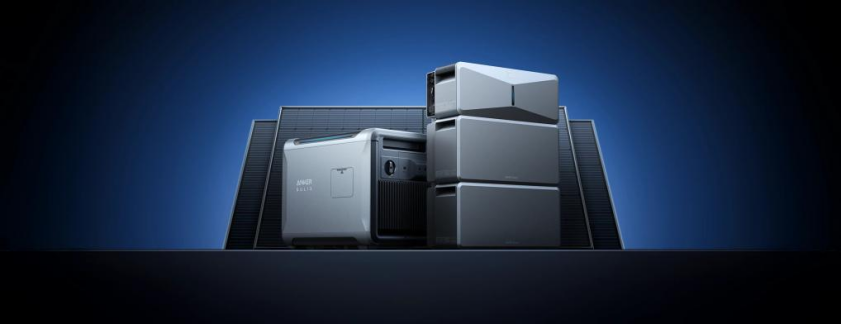
Whole-home backup has traditionally implied large, noisy machines operating outside the house. Battery-based systems now offer a different approach, delivering broad coverage while maintaining a quiet living environment. These solutions can sustain lighting, refrigeration, connectivity, and other essential circuits simultaneously. For example, integrated designs like the Anker SOLIX E10 illustrate how high-capacity battery systems coordinate energy distribution across multiple home circuits. Units capable of producing roughly 10 kW of peak output for limited periods can support demanding appliances without the acoustic disruption associated with engines. The combination of silent operation and comprehensive coverage redefines expectations for residential backup power.
Conclusion
Basic generators have served households for decades, yet evolving technologies and modern living patterns have exposed their practical constraints. Fuel dependency, noise, emissions, safety considerations, and maintenance demands increasingly influence homeowner decisions. Contemporary alternatives, particularly battery backup systems with intelligent management, address many of these long-standing challenges. Quieter operation, reduced upkeep, and everyday usability contribute to a more seamless home energy experience. As electricity becomes ever more central to daily routines, reliability and convenience gain importance. Exploring options beyond traditional generators enables homeowners to align backup power strategies with current needs and expectations.