
Introduction
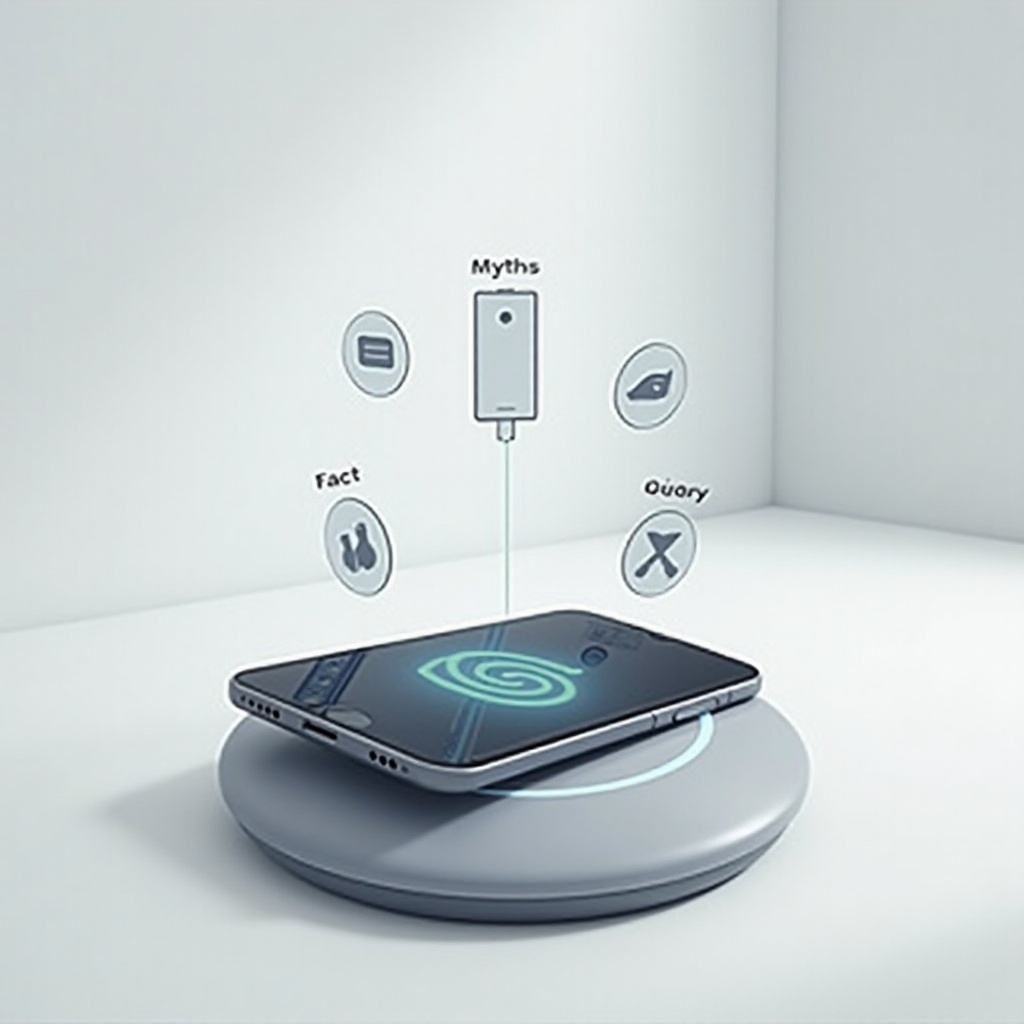
The advent of wireless charging technology has transformed how we power our devices, providing ease and eliminating the tangle of cables. Yet, as wireless charging gains traction, concerns regarding its impact on battery health have surfaced. As we rely increasingly on smart devices, understanding whether wireless charging could be gradually degrading batteries becomes essential. This detailed exploration aims to unravel myths and realities by delving into the nuances of technology and expert opinions. With this knowledge, users can make mindful choices, enjoying wireless charging convenience while preserving battery longevity.
Understanding Wireless Charging
Wireless charging has journeyed from a novel idea to a pivotal charging method. It eliminates cables by leveraging electromagnetic fields to transfer energy from a charger to a device. Typically, this involves a charging pad and a receiver built into modern gadgets like smartphones. Known as inductive charging, this technique experienced initial efficiency drawbacks compared to its wired counterpart but has improved notably with technological strides. Despite its popularity, questions linger concerning its long-term impact on battery life.
How Wireless Charging Works
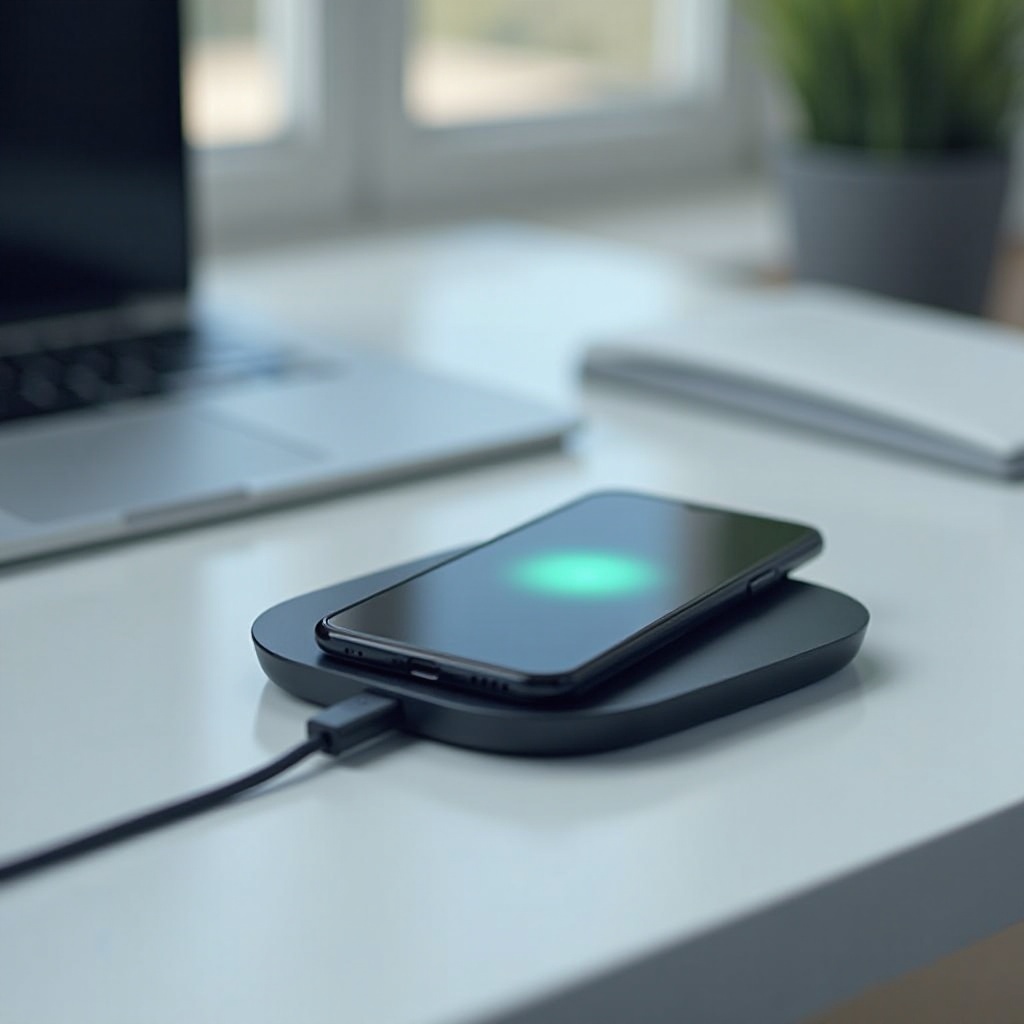
Wireless charging hinges on the principle of electromagnetic induction. The charger emits an electromagnetic field via its coils, which the device’s receiver coil taps into, converting energy back into electricity to charge the battery. This elegant, wire-free process attracts users with its simplicity. Nonetheless, concerns persist about whether this revolutionary charging method might promote quicker battery degradation. Addressing these apprehensions requires discerning between genuine concerns and common misconceptions.
Common Myths About Wireless Charging and Battery Degradation
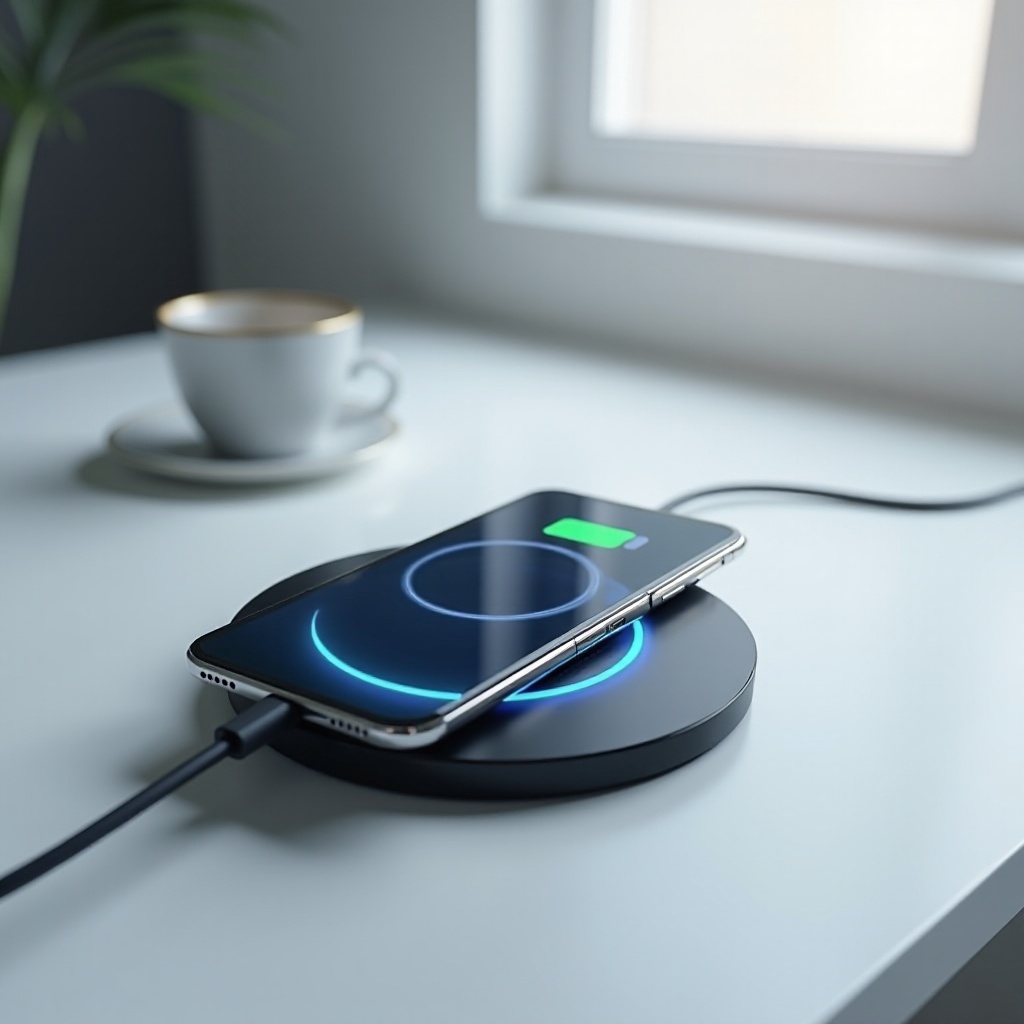
In light of wireless charging’s surge, several misconceptions have sparked debate. Let’s explore and debunk these myths systematically.
Increased Heat Leads to Degradation
A widespread belief is that wireless charging produces excessive heat, contributing to battery degradation. While charging inherently generates heat, modern advancements have normalized it to safe thresholds. Premium wireless chargers are designed to effectively dissipate heat, paralleling the safety of traditional chargers.
Wireless Chargers Aren’t Efficient
Some argue that wireless chargers are fundamentally inefficient, pressing batteries harder and thereby accelerating degradation. Contrary to this, advances in technology have allowed modern wireless chargers to approach the energy efficiency levels of wired ones, thus minimizing risks to battery health.
Usual Charging vs. Fast Wireless Charging
A debated misconception is the belief that fast wireless charging is more damaging to batteries than conventional methods. While rapid charging does exert stress by accelerating battery fill-up, manufacturers have embedded safety features to mitigate significant impact on battery longevity.
Scientific Perspective on Battery Degradation
Battery degradation is primarily influenced by the charge cycle count and environmental elements, irrespective of the charging mode. Batteries inherently possess a limited number of charge cycles before wear signs manifest. Scientific findings indicate that charge cycles are not materially increased by opting for wireless charging over wired options. The degradation pace is more affected by external factors, including extreme temperature variations and full discharges. Provided the charging source is reliable, the method of charging plays a minor role in hastening natural wear.
Expert Opinions on Wireless Charging Effects
Industry specialists highlight the broader use patterns over specific charging methods when understanding battery degradation. They recommend certified wireless chargers to ensure regulated heat levels and efficient energy exchange. Experts assert that wireless technology matches traditional methods in safety, reminding users that battery degradation concerns are often overstated. They encourage harnessing wireless charging’s benefits while practicing sensible charging routines.
Factors Affecting Battery Health When Using Wireless Chargers
Opting for wireless charging doesn’t inherently ensure battery degradation. Nevertheless, several factors critically impact battery health maintenance.
Frequency of Charging
Charging frequency influences battery condition. Frequent charging, regardless of type, accelerates charge cycle consumption, thereby expediting degradation. Maintaining battery levels between 20% to 80% can significantly enhance longevity.
Type of Wireless Charger Used
The wireless charger’s quality and compatibility with the device are crucial. High-standard chargers from reputable brands facilitate energy transfer efficiency and heat management, potentially mitigating risks to battery health.
Device-Specific Characteristics
Devices feature divergent battery management protocols. Some offer enhanced compatibility with wireless charging. Understanding a device’s specifications and guidelines can clarify how wireless charging impacts its overall performance.
Tips to Minimize Potential Battery Degradation
Preserving battery health while enjoying wireless charging is achievable by following these recommendations:
- Opt for certified and reputable wireless chargers.
- Avoid charging in extreme temperatures.
- Maintain the charge within the 20-80% range.
- Minimize device usage during charging to reduce heat buildup.
- Regularly update your device’s software for optimal battery management.
Conclusion
While theoretical concerns regarding wireless charging continue to circulate, empirical studies and expert insights point to negligible impact on battery degradation if wireless charging is employed correctly. Using certified tools and adhering to sound charging practices allows users to relish wireless charging’s ease without undue concern over battery harm. Empowered with an understanding of the technology and myths, users are poised to make informed choices, potentially extending their device’s battery life.
Frequently Asked Questions
Does wireless charging stop at 100% to prevent overcharging?
Yes, most modern devices have mechanisms that stop charging to prevent overcharging when full.
Are there specific phones that handle wireless charging better?
Yes, phones with optimized battery management and heat mitigation handle wireless charging better.
Can using third-party chargers void my warranty?
Using third-party chargers doesn’t usually void warranties, but if damage occurs from their use, a warranty claim may be affected. Always check your device’s warranty terms.