
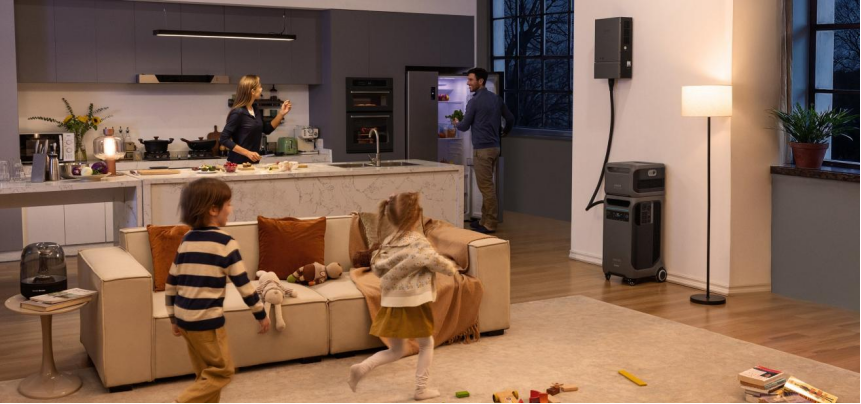
Battery capacity is a fundamental aspect of solar generators, influencing everything from their efficacy to your experience with them. Understanding how battery capacity works is crucial when choosing the right solar generator for your needs. Whether you want backup power for emergencies or reliable energy solutions for off-grid adventures, knowing the role of battery capacity can help you make informed decisions. With advancements like Anker SOLIX F3800 Plus, offering scalable capacity from 3.84kWh to an impressive 53.8kWh, consumers now have greater flexibility and longer power availability at their fingertips. This exploration of battery capacity will reveal why it matters and how it impacts your choice of solar generators.
What Battery Capacity Is and How It’s Measured
Defining Battery Capacity
Battery capacity refers to the amount of energy a battery can store and deliver. It is measured in kilowatt-hours (kWh), indicating how long the battery can power devices before it is exhausted. The larger the capacity, the more power the solar generator can supply. When evaluating specifications to find the best solar generator for long-term reliability, capacity ratings often become the primary comparison point. The Anker SOLIX F3800 Plus, with its starting capacity of 3.84kWh, exemplifies how some systems offer modular expansions to meet varying energy demands. Understanding battery capacity helps in assessing the efficiency of a generator and determining its suitability for your power needs.
How Capacity Affects Runtime
The runtime of a solar generator is directly linked to its battery capacity. A higher capacity means the generator can sustain powering devices for longer periods without the need for recharging. If the goal is to support small appliances during a power outage or continuously run equipment during off-grid excursions, selecting a generator with sufficient battery capacity is vital. The Anker SOLIX F3800 Plus enables users to expand capacity significantly, effectively extending runtime to days or even weeks. Consequently, the choice of capacity impacts operational effectiveness and peace of mind, knowing that adequate power is available.
Why Battery Capacity Matters in Real Use
Supports Your Power Needs Longer
A solar generator with ample battery capacity ensures extended power support, vital for off-grid living or prolonged power outages. By having a larger storage system, you can run energy-intensive devices without frequent interruptions. For instance, the Anker SOLIX F3800 Plus, capable of scaling up its capacity, can continuously support essential household appliances across a week-long period, ensuring no compromise on comfort or convenience. The security of having dependable power available whenever required allows users to fully rely on their solar solutions without hesitation or unforeseen shortages.
Affects How Many Devices You Can Power
The capacity of a battery also determines how many devices you can run simultaneously. A larger capacity means you can power more devices at once, be it lighting, electronics, or household appliances. In scenarios where multiple gadgets are used, having a system like the Anker SOLIX F3800 Plus, with its highly scalable capacity, ensures that all device demands are met effectively. Tailoring capacity to align with anticipated device usage thus facilitates uninterrupted operation and maximizes the utility of a solar generator.
Influences Charging Frequency and Solar Input
Battery capacity dictates how often you’ll need to recharge the generator and the extent of solar input required. A battery with greater capacity involves less frequent recharging, contributing to maintenance ease and efficient operation. For instance, with its vast expandable capacity range, the Anker SOLIX F3800 Plus allows users freedom from repeated charging hassles. This advantage highlights the significance of capacity, as it also governs the relationship between solar harvesting systems and power output. Selecting an appropriate capacity, therefore, optimizes both charging intervals and input alignment.
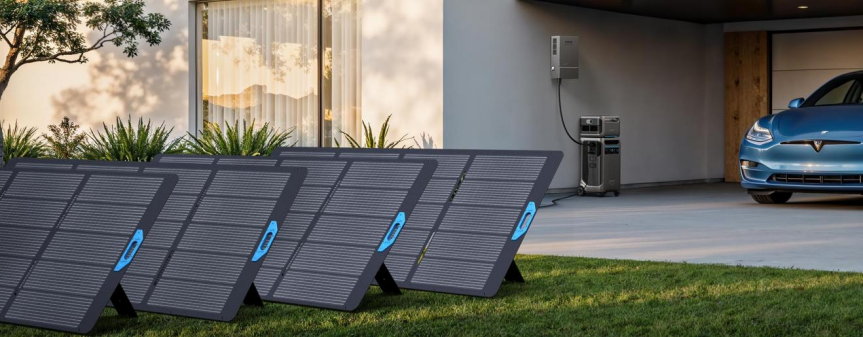
Tips to Choose the Right Battery Capacity
Calculate Your Daily Energy Needs
Understanding daily energy consumption is crucial when choosing the right battery capacity. Start by listing all devices you intend to power and calculate their total energy consumption. By knowing how much energy these devices use, you can determine the capacity needed. Aligning these needs with a scalable system like the Anker SOLIX F3800 Plus, which can start with a lower capacity and expand as required, gives exceptional flexibility. Planning based on actual energy demand ensures cost-effectiveness and assures that the chosen system meets both current and future requirements.
Match Capacity to Intended Use
When selecting battery capacity, align it with the intended use. Are you seeking a backup for emergencies or a permanent off-grid solution? The intended purpose directs the ideal capacity range. Opt for a system like the Anker SOLIX F3800 Plus, which allows for scalable expansion, offering adaptability as your needs evolve. By matching capacity to intended uses, whether frequent trips or occasional blackouts, you ensure your choice meets practical demands. This foresight helps in obtaining optimal value and assures that your solar generator’s usage perfectly correlates with your power goals.
Conclusion
Battery capacity plays a pivotal role in the function and efficiency of solar generators. From defining how long devices can run to affecting charging frequency, its significance cannot be overstated. Opting for flexible solutions like Anker SOLIX F3800 Plus enables customization of capacity according to specific needs, catering to the diversity in energy demands. Understanding battery capacity helps in making informed decisions that align with personal and pragmatic requirements. Consequently, selecting the right capacity means achieving greater energy independence and reliability, ensuring users harness the full potential of their solar endeavors.