
Introduction
The question, ‘Do I need a SIM card for my phone?’ has become increasingly common with the rise of eSIM technology and other connectivity options. A SIM card, or Subscriber Identity Module, is a small chip inserted into mobile phones that stores your phone number and connects you to your carrier’s network. We’ll examine how crucial SIM cards still are in 2024, considering the advancements in mobile communication.
What is a SIM Card?
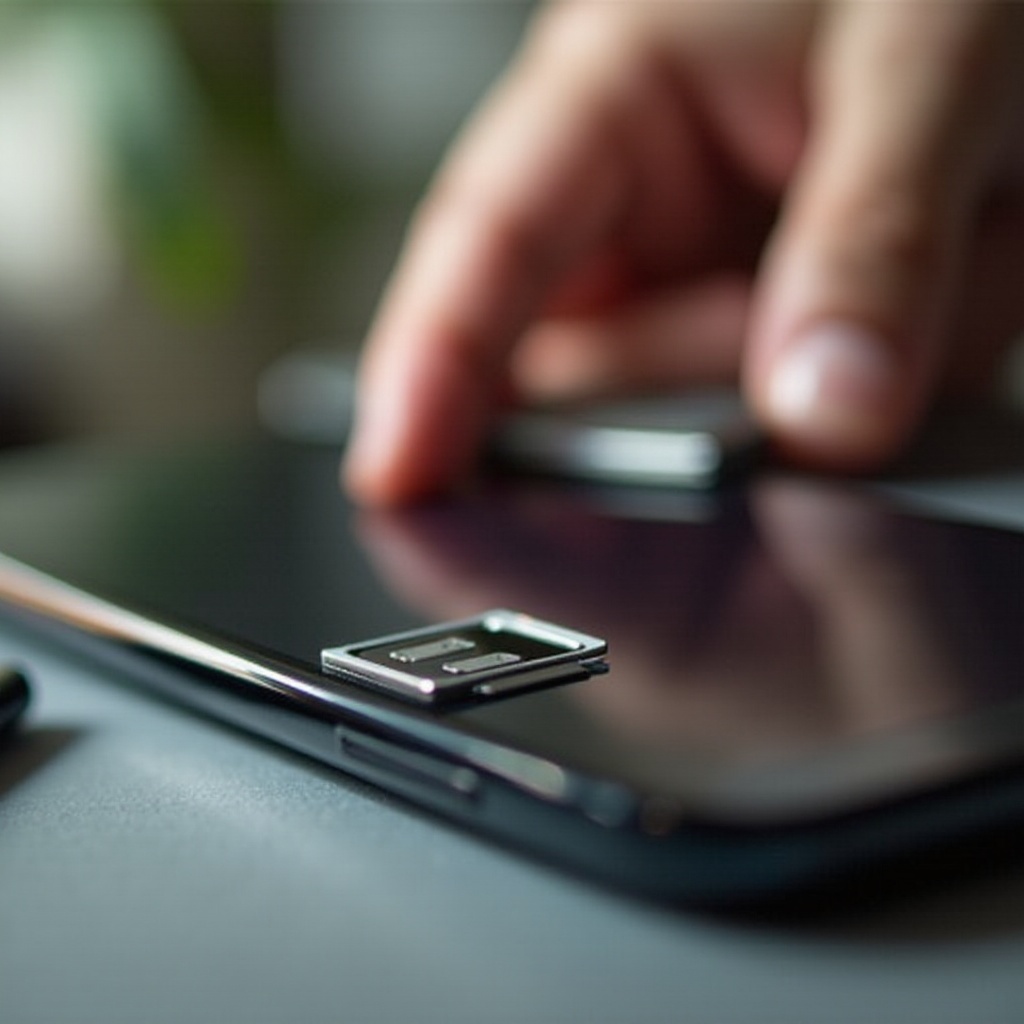
A SIM card is a miniature card embedded into mobile phones to establish a connection with your cellular provider. This card carries a unique identifier, allowing it to store valuable data like your phone number, contacts, and carrier details. Various SIM card formats exist, including mini, micro, nano, and the increasingly popular eSIM. Each format has been developed to adapt to evolving phone designs and connectivity needs.
Importance of SIM Cards in Modern Phones
SIM cards have long been fundamental in granting phones the ability to access mobile networks. They allow you to make calls, send texts, and access mobile data networks, which is often crucial for staying connected on the go. Despite the availability of alternatives like Wi-Fi, SIM cards enable mobile independence, a feature many users find indispensable.
When Do You Need a SIM Card?
The necessity of a SIM card largely depends on how you plan to use your mobile device. For many, a SIM card is essential to harness their phone’s full capabilities.
Scenarios that Require a SIM Card
- Carrier-Locked Devices: If your device is locked to a specific network, only a SIM card from that carrier will activate it.
- Mobile Data Usage: When Wi-Fi isn’t an option, mobile data becomes essential, requiring a SIM card.
- Traveling Abroad: Utilizing a local SIM card in a foreign country can save you from exorbitant roaming charges.
Alternatives to SIM Cards
- Wi-Fi Only Usage: With Wi-Fi, your phone can function well without a SIM card, using VoIP services for calls and messages.
- VoIP Services: Apps like WhatsApp and Skype allow for internet-based communication without a cellular connection.
Understanding eSIM Technology
The eSIM is revolutionizing how we think about mobile connectivity. Unlike traditional SIM cards, eSIMs are soldered into your device and can be programmed remotely, allowing for seamless carrier changes without the need for a physical SIM card swap.
What is an eSIM?
An eSIM stands for ’embedded SIM’. It’s a digital SIM that allows you to activate a cellular plan without using a physical SIM card. Most modern smartphones support eSIM technology, enabling users to toggle between multiple plans easily.
Advantages of eSIM over Traditional SIM Cards
- Convenience: Activating new plans and switching networks can be done from your phone’s settings menu.
- Space Optimization: Freed-up space allows for slimmer, more advanced device designs.
- Dual SIM Functionality: Many devices support dual SIM configurations, offering a physical slot and an eSIM.

Global Travel and SIM Card Usage
Frequent travelers face distinct challenges and opportunities regarding mobile connectivity. The choice between roaming and using a local SIM card depends on your specific needs.
Using Local SIM Cards Internationally
For those traveling abroad, purchasing a local SIM card is often the most cost-effective way to maintain connectivity. Here is how it can work:
- Research local carriers: Before traveling, find reputable local carriers at your destination.
- Buy a prepaid SIM card: Upon arrival, choose a SIM card with a suitable data and call plan.
- Activate and insert: Insert it into your phone or scan the QR code if you are using an eSIM.
Roaming vs. Switching SIMs
- Roaming: While convenient, roaming services from your home carrier can be costly and may not provide the best coverage.
- Local SIMs: Offer local rates and often better network quality but require an unlocked phone.

How to Choose the Right SIM Card or eSIM Option
Selecting between a traditional SIM card or eSIM should be based on your lifestyle and device compatibility. Consider the following:
Carrier Compatibility and Device Compatibility
- Check for Unlocked Phones: Ensure your device is unlocked if you plan on using different carriers.
- Verify Device eSIM Support: Confirm your phone supports eSIMs by checking under settings.
Prepaid vs. Postpaid SIM Cards
- Prepaid Plans: Provide flexibility and control over your spending with no long-term commitment.
- Postpaid Plans: Offer continuous service with fixed billing cycles, ideal for those who use their phones extensively.
Conclusion
In 2024, the need for a SIM card depends on an individual’s specific communication needs. While innovations like eSIMs provide exciting alternatives, traditional SIM cards still offer critical connectivity. Consider your usage habits and travel requirements to make the right choice for your mobile experience.
Frequently Asked Questions
Can I Use My Phone Without a SIM Card?
Yes, you can use Wi-Fi for internet access and VoIP services like WhatsApp for calls and texts.
How Do I Switch from a Physical SIM to an eSIM?
Contact your carrier to obtain an eSIM activation code, scan it, and follow on-screen instructions to activate.
What Should I Do If My Phone Doesn’t Recognize My SIM Card?
Ensure the SIM card is inserted correctly. If issues persist, restart your phone or contact your carrier for support.